Industrial Utility Efficiency

System Assessments

We asked a hand-selected list of original equipment manufacturers, independent compressed air system sales and service companies, manufacturing plants and independent system auditors to share their thoughts, highlighting the changes they’ve seen over the past 20 years, then predicting what the next 20 years will bring.

The Fundamentals of Dew Point Measurement in Compressed Air Systems

Dew point is simply the temperature to which air must be cooled for the water vapor within to condense into dew or frost. At any temperature, there is a maximum amount of water vapor that the air can hold. This maximum amount is called the water vapor saturation pressure. If more water vapor is added beyond this point, it will result in condensation.

Maintaining Compressed Air Filters and the Purpose of Differential Pressure Monitoring Devices

The foundation of any purification system is its filtration and of the ten main contaminants found in a compressed air system, filtration is responsible for the treatment of nine of them. Coalescing filters are the most important piece of purification equipment as they reduce six of the ten contaminants and a look in any air compressor room will find a pair of coalescing filters (backed up with dry particulate and oil vapor removal filters).

Adsorbents for Heat Reactivated Compressed Air Dryers

In the field of externally heated adsorption dryers there is a large variety of different systems on the market offering substantial flexibility in terms of process flows, dew points and energy demand. Often, economic parameters and project-specific requirements ultimately define the individual user-specific solution. This article discusses the basic types of desiccants used in compressed air dryers.

Unilever Ice Cream Plant Reduces Compressed Air Consumption with Pneumatic Energy Efficiency Module

Electricity and compressed air play an important role in the thermal and kinetic processes for everything from mixing and extruding the ingredients, deep-freezing to -13°F (-25°C), dipping into various chocolate coatings through to final packaging. Energy efficiency is therefore right at the top of Unilever’s list of priorities. As part of the Unilever Sustainable Living Plan, this global corporation has succeeded in saving more than \$186 million in energy costs from efficiency improvements in production alone since 2008.

Air Receiver Tank Care Guide, Sizing, Safety and Storage - Part 2

Your air receiver tank works hard to keep your compressed air system running at optimal efficiency. For best results and safe operation, it’s important to make sure you have adequate storage capacity for your application. You also need to take proper care of your tank once it is installed. In this article we provide advice for air receiver tank sizing, safety and storage.

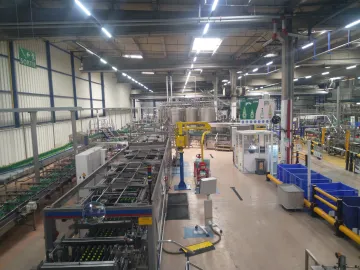
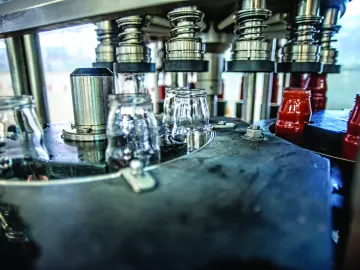
Dutch Glass Container Plant Compressed Air System Makeover Increases Uptime and Energy Savings

To improve the delivery of compressed air at the plant, which is supplied by low-pressure and high-pressure compressed air systems, the manufacturer took an important first step by using airflow meters to monitor and measure the performance of both systems. Subsequent planning based on actionable data led to a unique compressed air system upgrade that increases the plant’s ability to maintain peak production of high quality glass bottles and containers at all times – while saving \$150,000 per year in energy costs. The project also delivered a payback of less than two years.  

Is Your Controller a Blast From the Past?

Advances in phone technology dramatically improve their function and our experience. More storage, faster speeds, enhanced communication options, bigger and brighter display….and so on. As a result, today’s phones are significantly more powerful – improving our productivity and changing our lives. As for the technology laggards, obsolescence eventually prompts change. Repairing or replacing parts and accessories on the old phones is an increasing challenge. Eventually they have to succumb to technology.

How Your Air Receiver Tank Improves System Efficiency - Part 1

An air receiver tank (sometimes called an air compressor tank or compressed air storage tank) is a type of pressure vessel that receives air from the air compressor and holds it under pressure for future use. The tanks come in a range of sizes and in both vertical and horizontal configurations. An air receiver tank provides temporary storage for compressed air. It also helps your compressed air system run more efficiently.

Compressed Air Manufacturers and Distributors Rise Above the COVID-19 Crisis

As the crisis unfolded, manufacturers and distributors of compressed air and vacuum systems took the necessary steps and precautions using guidance from the Centers for Disease Control and other agencies to minimize the spread of the virus, while continuing to support customers. At all times the top priority was the safety and wellbeing of employees and their families, as well as partners and customers.

Compressed Air Guidelines for Varying Production Levels

Companies will experience periods of increased production, as well as periods of slower or stopped production. It’s the nature of being in business. Understanding the implications of these business shifts for compressed-air installations (the powerhouse behind a facility’s production) is key for ensuring that air compressors remain functional and efficient. Here are guidelines to ensure your facility’s compressed-air system operates at top performance, no matter the speed of production.

Compressor Controls

Wood-based materials manufacturing plant transformed its compressed air system from an invisible

Piping Storage

Efficient compressed air distribution depends on proper piping design to balance flow, pressure and

End Uses

Without compressed air monitoring, up to 30% of the compressed air generated goes to waste. This

Pressure

Before CAGI data sheets were created, air compressor distributors and their customers could only go

Air Treatment/N2

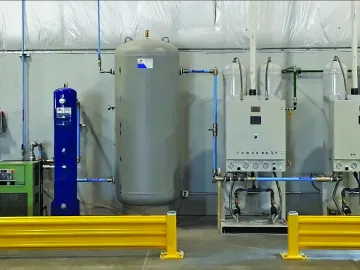
Producing nitrogen locally is an excellent way to reduce nitrogen costs and ensure a continuous

Leaks

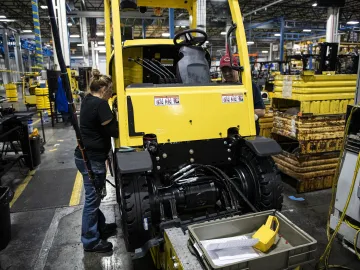
Hyster-Yale’s Greenville, North Carolina, plant reduced compressed air waste through employee-driven

Pneumatics

Current Good Manufacturing Practices (cGMPs) under FSMA CFR Title 21 117.40 is the cornerstone of

Vacuum/Blowers

There is no single right approach to putting the necessary volume and pressure of air in the pipe to